
Learn to create, run, manage, and monitor containers using a convenient Docker development environment.
Understand the core Docker runtime and learn how containers are created, started, stopped, and managed.
Use command-line tools to manage images, containers, networks, volumes, and Docker environments.
Create and manage multi-container applications using YAML-based configuration and coordinated services.
Learn to store, share, pull, and publish container images through a cloud-based container registry.
Create custom container images by defining application environments, dependencies, commands, and configurations.
Understand persistent container storage and learn how to manage application data independently from containers.
Configure communication between containers and understand bridge, host, and custom network environments.
Manage application source code and integrate containerized projects with version-control workflows.
Learn how to package applications and dependencies into portable containers that can run consistently across environments.
Build container images, configure services, manage containers, and deploy multi-container applications using Docker.
Complete practical Docker projects and develop containerization skills that support modern DevOps and cloud careers.

Learn the latest design trends, techniques, and professional workflows.
Work on live projects, branding assignments, and portfolio-building exercises.
Get trained by creative professionals with real-world industry expertise.
Access advanced systems and professional software for enhanced learning.
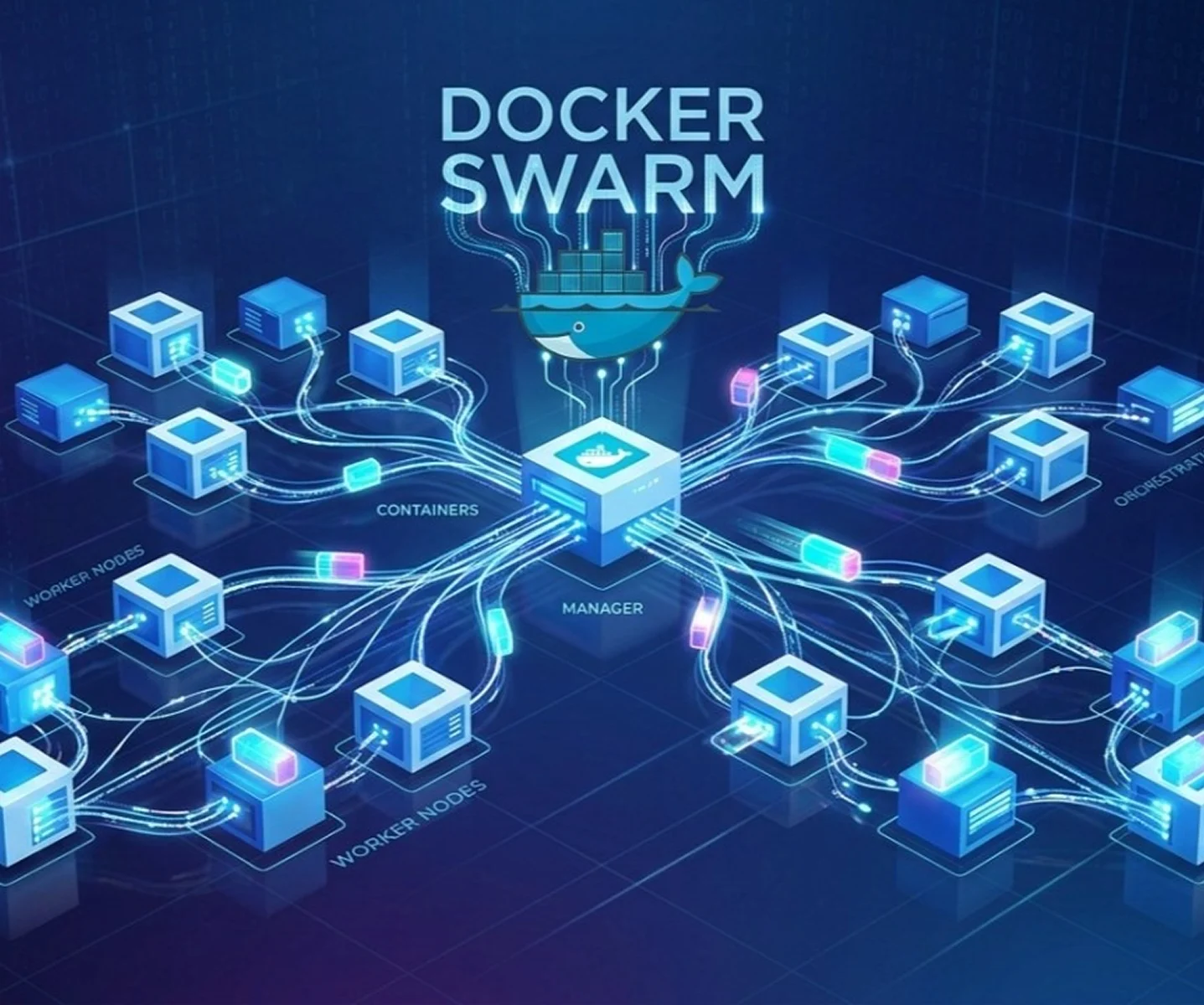

Transform your knowledge of application deployment into practical containerization skills through hands-on Docker training, real-world projects, and modern DevOps workflows.
You will learn Docker fundamentals, containers, images, Dockerfiles, networking, volumes, Docker Compose, registries, and application deployment.
The course includes Docker Desktop, Docker Engine, Docker CLI, Docker Compose, Docker Hub, Dockerfile, Docker Volumes, Docker Networking, and Git/GitHub.
Yes. The course starts with Docker fundamentals and gradually introduces container creation, image management, networking, storage, and deployment.
Yes. Students work hands-on with containers, images, Dockerfiles, volumes, networks, and multi-container applications.
Yes. Practical projects help students apply Docker concepts to application packaging, container management, and deployment workflows.
Students can explore opportunities in DevOps, cloud computing, containerization, automation, application deployment, and cloud operations.
+230 54570519 ( Whatsapp available )
+91 98490 19445